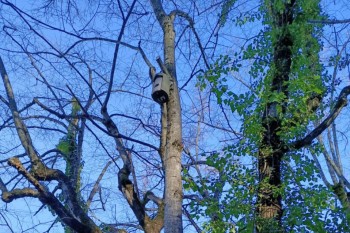
Supporting Butterflies in Buseu 2026
Micro reserve : Microreserva de papallones a Buseu
Help preserve invertebrates, a fundamental part of the food chain, in Buseu.
Want to make more than one donation? Now you can do it in one go when the causes are from the same promoter!
Voluntary contribution
20,00 €
Plantació d'espècies vegetals i seguiment
Plantació d’espècies vegetals que proporcionin aliment i refugi a una gran varietat de papallones i altres invertebrats i seguiment annual.
Only 14 of 15 left
Plantació d'espècies vegetals i seguiment
Plantació d’espècies vegetals que proporcionin aliment i refugi a una gran varietat de papallones i altres invertebrats i seguiment annual.
35,00 €
Tancament perimetral de protecció
Tancament perimetral per protegir les espècies vegetals plantades
Only 40 of 40 left
Tancament perimetral de protecció
Tancament perimetral per protegir les espècies vegetals plantades
Promoted by:
Buseu Wild Pyrenees
See moreDescription
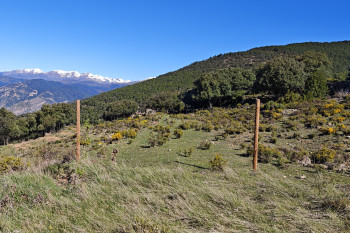
The Buseu Butterfly and Dragonfly Micro-Reserve is a conservation initiative aimed at preserving invertebrate biodiversity and restoring a high-value Pyrenean hay meadow. This space seeks to become a model for the coexistence of nature conservation and extensive livestock farming, while contributing to the protection of increasingly rare habitats.
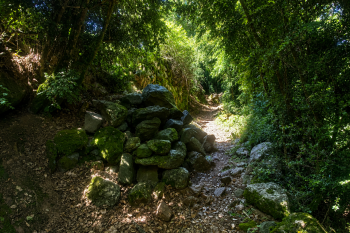
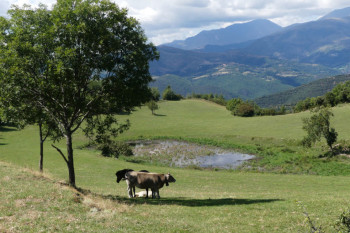
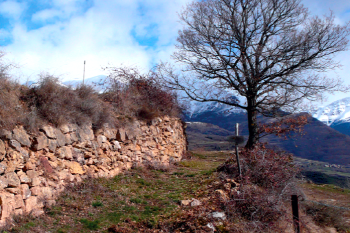
The micro-reserve is located near the village of Buseu (Baix Pallars, Pallars Sobirà), in a relatively flat area at an altitude of 1,330 metres, between the valley floor of the Major River (600 m) and the Baén Forest (1,752 m). It covers an area of 0.30 hectares and forms part of a characteristic mosaic landscape dominated by grazing meadows, natural field margins, and dry-stone walls, with small stands of holm oak and pine woodland. The Mediterranean climate, influenced by mountain conditions, supports a remarkable diversity of species.
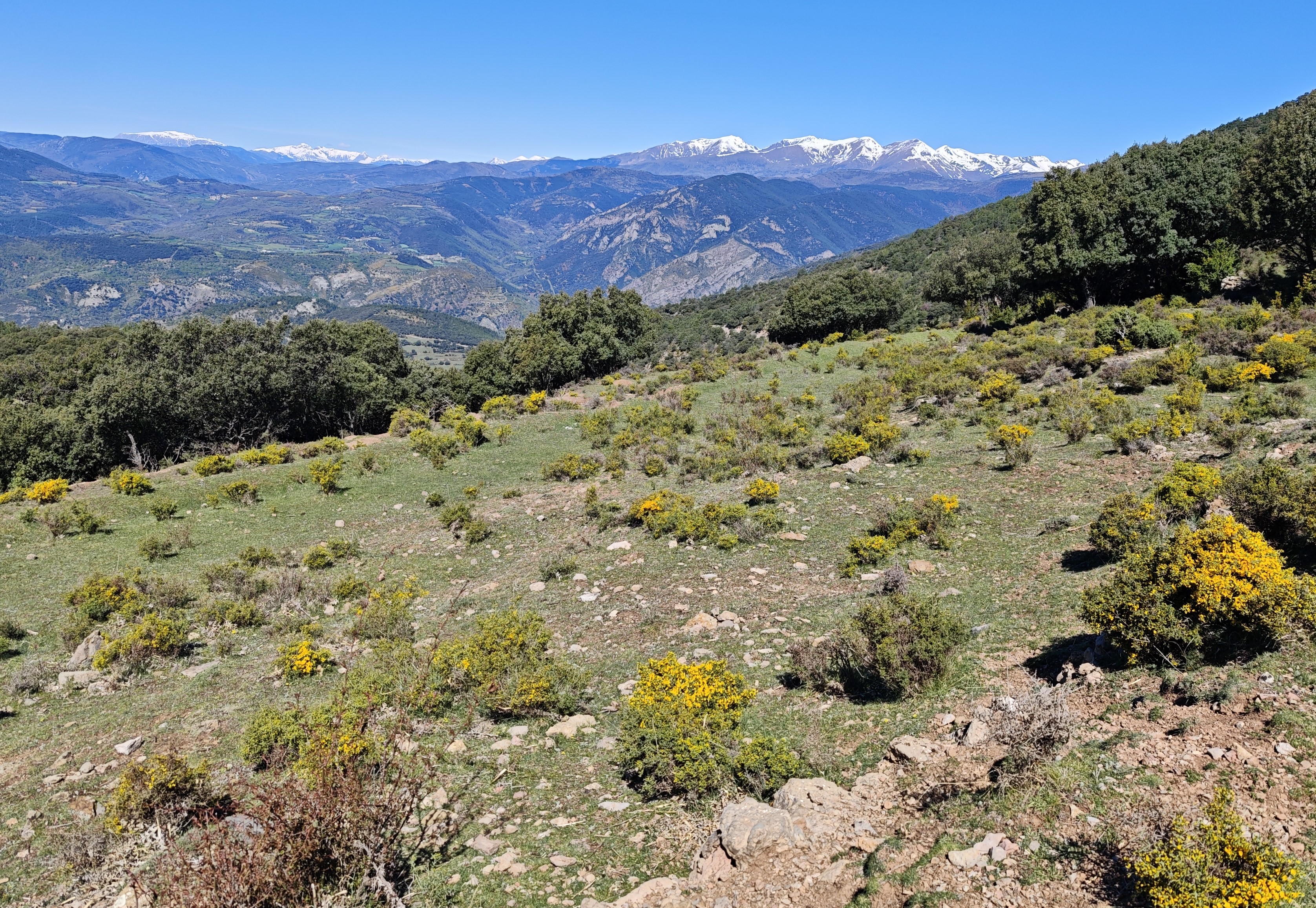
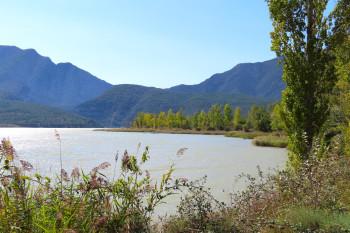
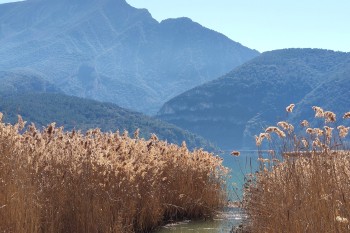
This combination of habitats allows for a rich butterfly community, including species typical of both Mediterranean and mountain environments. In addition, the proximity of two permanent ponds supports dragonflies and other aquatic invertebrates, making the area particularly valuable for biodiversity.
The meadows are notable for their rich floral diversity, which is essential for pollinators. A wide variety of plant species provide food and shelter throughout the year. However, the abandonment of traditional farming practices has led to a gradual decline in this biodiversity over recent decades.
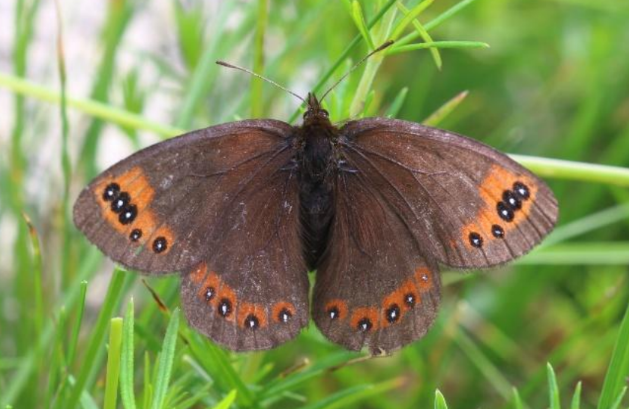
Funds raised will be used primarily to improve the habitat. Planned actions include installing perimeter fencing to ensure the site's protection, as well as sowing and planting native species that provide food for both caterpillars and adult butterflies, while also offering shelter for a wide range of invertebrates. These actions aim to restore the ecological functionality of the meadow and ensure the long-term conservation of its biodiversity.
Promoted by:
Buseu Wild Pyrenees
See moreDescription
The Buseu Butterfly and Dragonfly Micro-Reserve is a conservation initiative aimed at preserving invertebrate biodiversity and restoring a high-value Pyrenean hay meadow. This space seeks to become a model for the coexistence of nature conservation and extensive livestock farming, while contributing to the protection of increasingly rare habitats.
The micro-reserve is located near the village of Buseu (Baix Pallars, Pallars Sobirà), in a relatively flat area at an altitude of 1,330 metres, between the valley floor of the Major River (600 m) and the Baén Forest (1,752 m). It covers an area of 0.30 hectares and forms part of a characteristic mosaic landscape dominated by grazing meadows, natural field margins, and dry-stone walls, with small stands of holm oak and pine woodland. The Mediterranean climate, influenced by mountain conditions, supports a remarkable diversity of species.
This combination of habitats allows for a rich butterfly community, including species typical of both Mediterranean and mountain environments. In addition, the proximity of two permanent ponds supports dragonflies and other aquatic invertebrates, making the area particularly valuable for biodiversity.
The meadows are notable for their rich floral diversity, which is essential for pollinators. A wide variety of plant species provide food and shelter throughout the year. However, the abandonment of traditional farming practices has led to a gradual decline in this biodiversity over recent decades.
Funds raised will be used primarily to improve the habitat. Planned actions include installing perimeter fencing to ensure the site's protection, as well as sowing and planting native species that provide food for both caterpillars and adult butterflies, while also offering shelter for a wide range of invertebrates. These actions aim to restore the ecological functionality of the meadow and ensure the long-term conservation of its biodiversity.
Want to make more than one donation? Now you can do it in one go when the causes are from the same promoter!
Voluntary contribution
20,00 €
Plantació d'espècies vegetals i seguiment
Plantació d’espècies vegetals que proporcionin aliment i refugi a una gran varietat de papallones i altres invertebrats i seguiment annual.
Only 14 of 15 left
Plantació d'espècies vegetals i seguiment
Plantació d’espècies vegetals que proporcionin aliment i refugi a una gran varietat de papallones i altres invertebrats i seguiment annual.
35,00 €
Tancament perimetral de protecció
Tancament perimetral per protegir les espècies vegetals plantades
Only 40 of 40 left
Tancament perimetral de protecció
Tancament perimetral per protegir les espècies vegetals plantades